
If you’re a heavier sleeper, you may have noticed something frustrating about mattresses: they don’t always last as long as they’re supposed to. The problem isn’t necessarily poor quality – it’s that many mattresses are designed around “average” body weight assumptions. When a mattress isn’t engineered to handle greater pressure and compression over time, it simply can’t perform the way it should.
Understanding what makes a good heavy sleeper mattress can help explain why some beds fail early, and how to choose one that truly supports your body night after night. A heavy sleeper mattress is specifically designed to support higher body weights by using stronger internal structures, durable comfort layers, and reinforced support systems.
Six ways that mattress design lets heavy sleepers down
At first glance, most mattresses look fairly simple: fabric, padding, and a comfortable sleeping surface. Yet, beneath those outer layers lies a carefully engineered structure comprising springs, support cores, comfort materials, and reinforcement systems that work together to support the body throughout the night.
Several design factors influence how well a mattress performs under heavier loads, including the strength of the spring system, the durability of the comfort layers, and the stability of the mattress edges.
1. Many mattresses aren’t built to support higher weights
Most mattresses are designed with a typical weight range in mind. When a sleeper falls outside that range, the materials inside the mattress may experience greater pressure and compression than they were engineered to handle.
Over time, this increased load can affect the mattress’s performance. Comfort layers may compress more deeply, support systems may fatigue sooner, and the sleeping surface can begin to feel uneven. This doesn’t necessarily mean the mattress is badly made. It simply means the internal structure may not have been designed for a heavy sleeper mattress.
2. Some spring systems lose support over time
In many mattresses, the primary support comes from a system of metal coils or springs hidden beneath the comfort layers. These springs support body weight and help the mattress maintain its structure throughout the night.
However, the thickness of the steel used in the coils – often referred to as the coil gauge – determines how durable the support system will be. Thinner coils may perform well initially but can gradually lose their integrity under higher pressure. Certain areas can begin to sink more than others, leading to dips or uneven support zones.
3. Inadequate edge support starts to give way
The edges of a mattress do more work than many people realise. Good edge support helps the mattress maintain its shape, prevents the sides from collapsing, and allows sleepers to comfortably use the entire sleeping surface.
For heavier sleepers, mattress edge support becomes even more important. When edge reinforcement is weak, the sides of the mattress may begin to soften or collapse over time. This can create a sensation of sliding toward the centre of the bed or feeling unstable when sitting on the edge.
4. The wrong mattress wears out faster for heavier sleepers
For heavier sleepers, buying the wrong mattress could mean wear-and-tear occurs faster. A heavier body weight places greater stress on the comfort layers and support systems within the mattress. Softer foams may compress more deeply night after night, which can eventually lead to visible body impressions or uneven surfaces.
When this happens, the mattress may no longer distribute weight evenly across the surface. Sleepers may begin to feel as though they are sinking into certain areas or struggling to find a comfortable position.
5. Firm doesn’t always mean supportive
One of the most common pieces of advice heavier sleepers hear is to choose a firm mattress. While firmness can contribute to comfort, it is not the same as support. Firmness refers to how the surface of a mattress feels when you first lie down. Support, on the other hand, refers to how well the mattress maintains proper alignment for the body throughout the night.
A mattress can feel firm at the surface but still lack the internal strength needed to properly support the body. If the deeper support layers are not strong enough, the mattress may still compress unevenly over time.
6. The wrong mattress affects wellbeing
While mattress design influences durability, it also directly affects how the body feels during sleep. When a heavy sleeper’s mattress cannot provide proper support, the impact often shows up in sleep quality and physical comfort.
- Pressure points disrupt sleep
When a mattress cannot distribute body weight evenly, pressure builds around the hips, shoulders, and lower back, often causing sleepers to shift positions frequently throughout the night.
- Spinal alignment suffers
If a heavy sleeper’s mattress compresses too deeply under weight, the spine may fall out of alignment, which can contribute to stiffness or aches in the morning.
- Heat retention may increase
Deeper compression into foam layers can reduce airflow around the body, making it harder for heat to dissipate and potentially leading to warmer, less comfortable sleep.
What to Look for in a Heavy Sleeper Mattress
Choosing the right mattress as a heavier sleeper is less about surface softness and more about structural durability. A mattress designed to handle heavier weights should be built with stronger internal components to maintain support and stability over time.

Several features tend to make a noticeable difference.
- Stronger spring systems
A durable heavy sleeper mattress often uses thicker steel coils that can better withstand higher levels of compression. Stronger spring systems help maintain even support across the mattress surface and reduce the likelihood of dips forming over time.
- High-density comfort materials
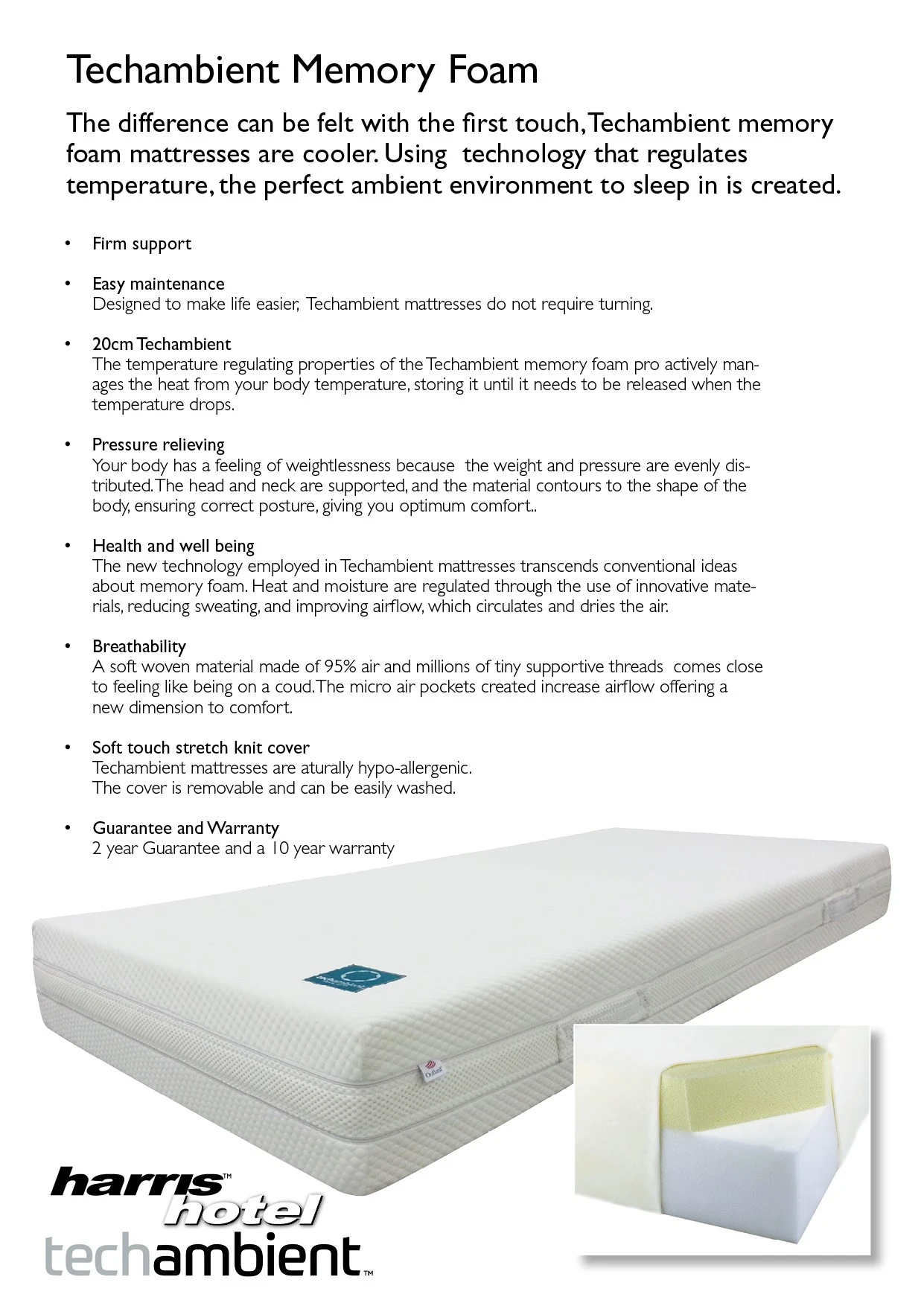
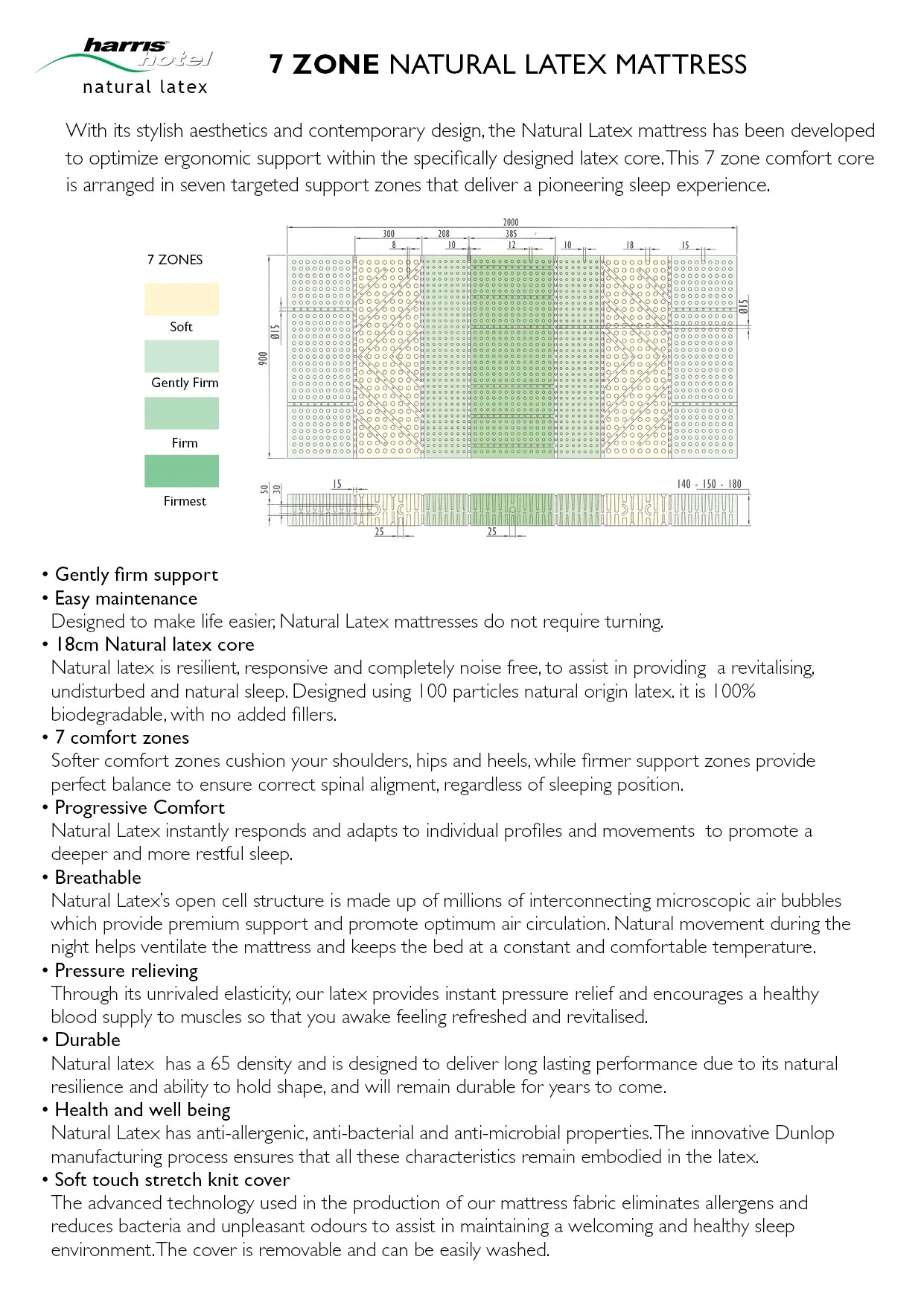
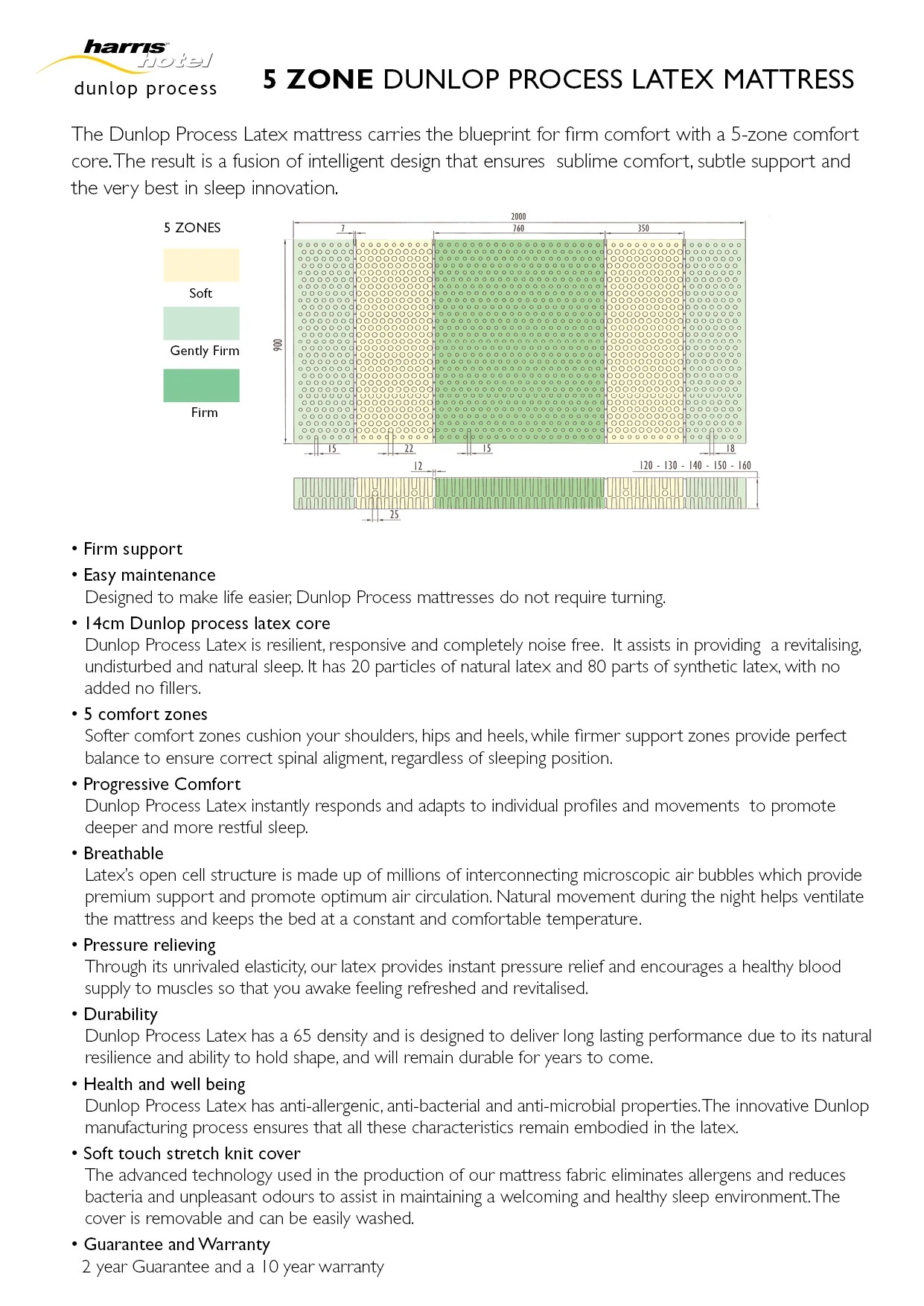
Comfort layers play an important role in distributing body weight and relieving pressure points. Materials such as high-density foams or natural latex tend to maintain their shape more effectively under repeated compression, helping the mattress remain comfortable for longer.
- Reinforced edge support
For heavier sleepers, reinforced edges can help prevent the sides of the mattress from collapsing or softening too quickly. Strong edge support also increases the usable sleeping surface of the bed and improves overall stability.
- Structural reinforcement for long-term durability
Additional support elements within the mattress, such as posture bars or reinforced support zones, can help maintain its integrity over time. These structural reinforcements help distribute weight more evenly across the sleeping surface.
A mattress designed with these features in mind
Some mattresses are specifically engineered to provide stronger support and durability for sleepers who place greater demands on their bed. One example is the Harris Hotel Heavy Duty mattress. This is a leading heavy-duty mattress in South Africa that incorporates several structural features designed to maintain support under higher weight loads.
Key features include:
- 34 mm coil gauge spring system for stronger internal support
- 45-density latex comfort layer to help distribute pressure and maintain resilience
- 21 reinforced posture bars for additional structural stability
- Reinforced edge support for improved durability and usable sleep space
- Weight rating of 150 kg+ per sleeper
These types of features reassure heavy sleepers that the mattress is designed to maintain its shape and support for longer, providing a more stable and comfortable sleep surface.

Finding the Right Heavy Sleeper Mattress
Understanding how mattress design affects durability, pressure distribution, and spinal alignment can make it much easier to choose a heavy sleeper mattress that continues to perform long after it leaves the showroom floor.
While the mattress industry sometimes makes sleep sound complicated, the goal is actually quite simple: a bed that holds its shape, supports your body properly, and lets you wake up feeling rested instead of sore. After all, sleep should be the easiest part of your day – and the right mattress makes sure it stays that way.