
If you’re searching “innerspring vs foam mattress – which is better?”, the answer depends on your comfort preferences, the mattress quality, and your body weight.
For many sleepers, either type can work well. But for heavier people, a reinforced innerspring mattress often has an advantage because its support system can be engineered with thicker steel materials and extra reinforcement to handle greater repeated weight.
That doesn’t make foam the villain. It just means the mattress core is more important as body weight increases.
What’s the difference between innerspring and foam mattresses?
An innerspring mattress uses a steel coil system as its main support core, with comfort layers above it. Two common innerspring systems are:
-
Bonnell or open-coil springs
Hourglass-shaped coils are linked together to form one connected support unit. They tend to offer a firmer, more uniform feel and are generally robust and straightforward in construction.
-
Pocket coils
Each spring is individually wrapped and can move more independently. This allows the mattress to respond more closely to different areas of the body and usually reduces motion transfer between sleeping partners.
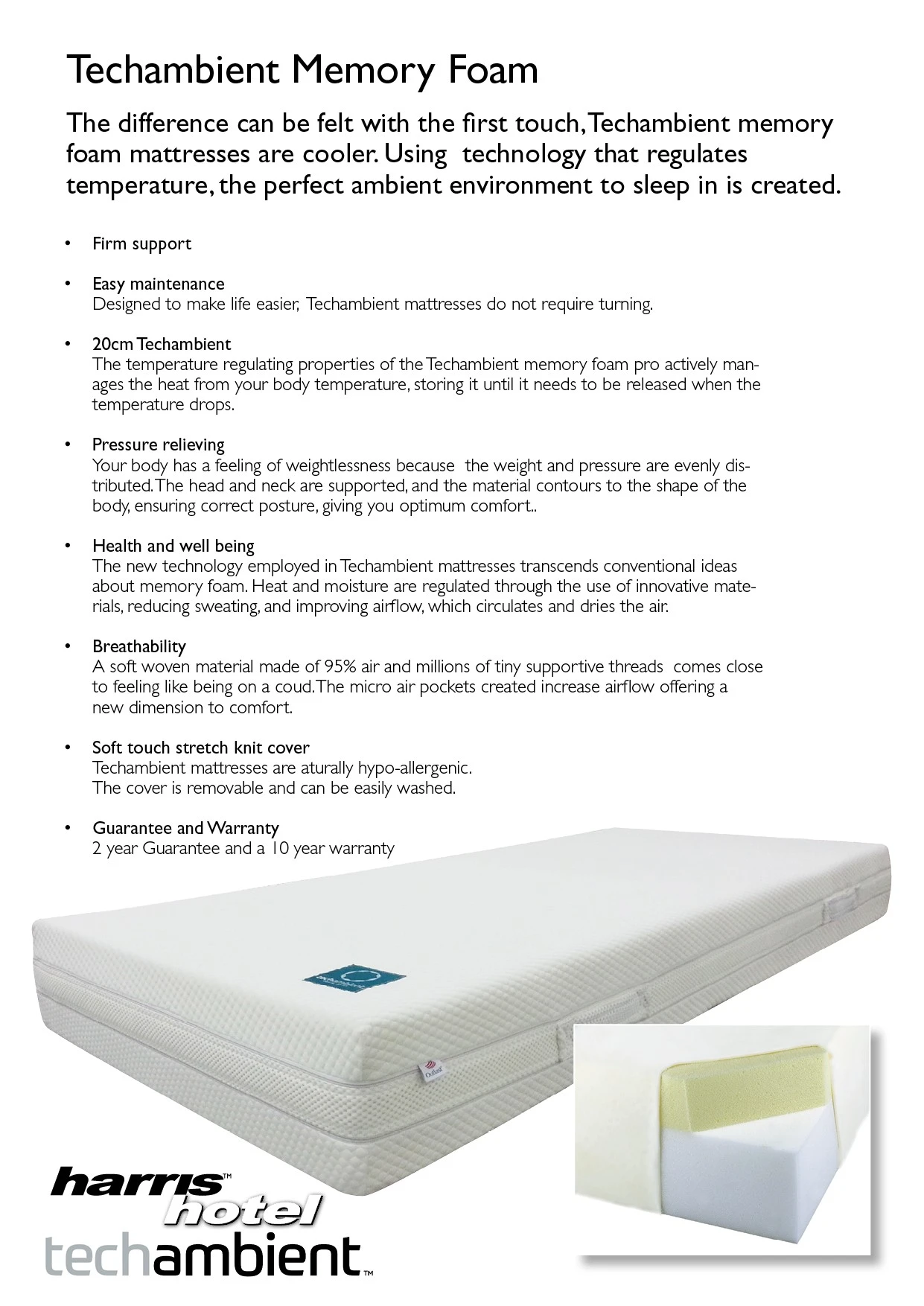
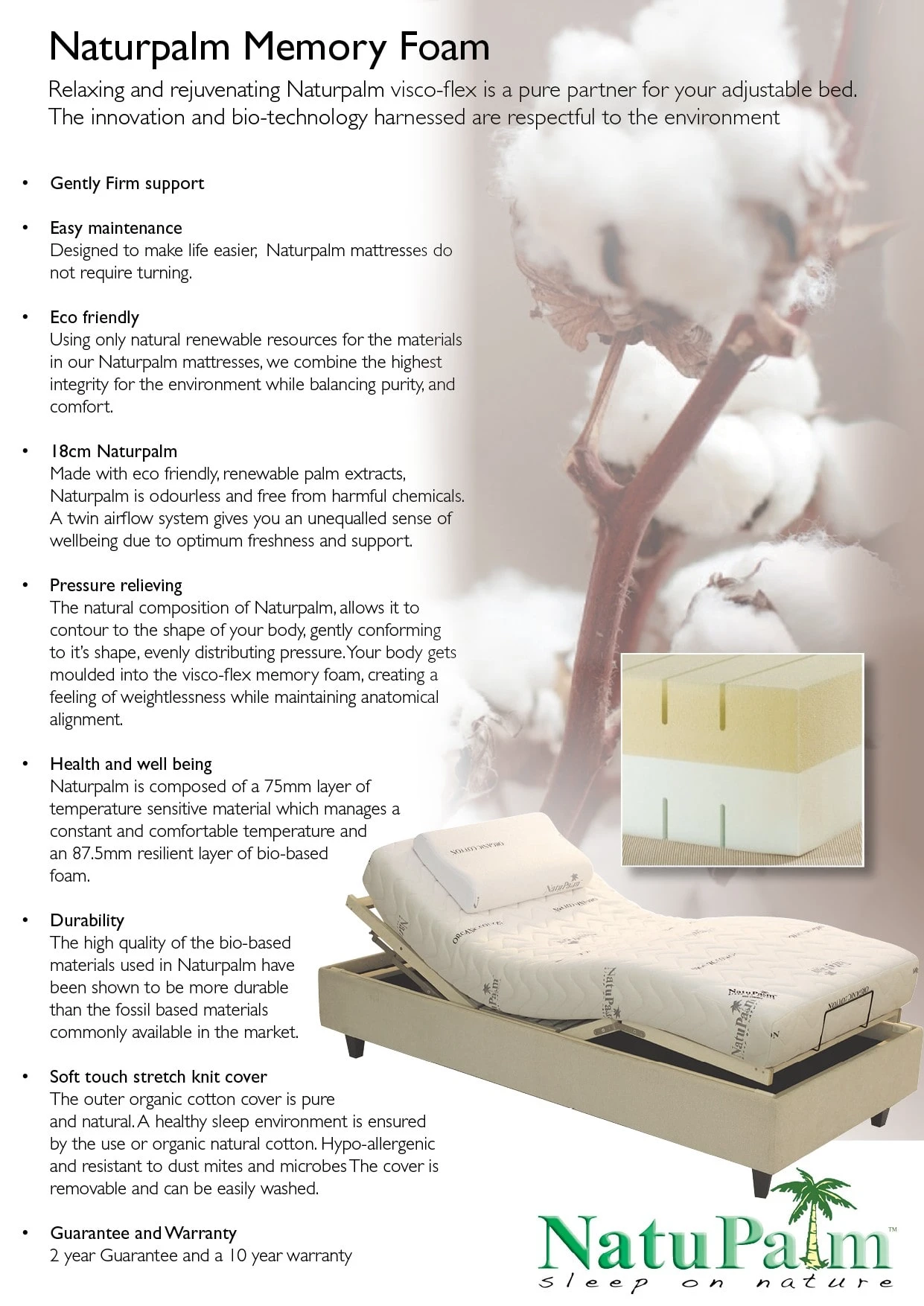
A foam mattress relies on foam for both comfort and support. Depending on the mattress, that might include polyurethane foam, memory foam, latex or a combination of different foam densities.
So when comparing innerspring vs foam mattresses, and asking which is better, you’re really comparing two different ways of managing compression. Foam resists compression through the material’s properties, while springs resist compression mechanically by absorbing weight and pushing back.

Why could innerspring have an edge for heavier sleepers?
A heavier person compresses a mattress more deeply and places greater demand on the support core beneath the comfort layers. This is where an innerspring mattress can have some natural advantages.
- Steel coils provide mechanical resistance: they compress under body weight, then push back. For a heavier sleeper, that responsive support can help control deeper sinking into the mattress.
- Springs also rebound quickly, which can make turning over and getting out of bed easier than on some deeply conforming foam mattresses.
- Because an innerspring core has plenty of open space, air can move through it more freely, helping the mattress stay cooler.
- A well-built spring system is also naturally robust. Steel coils can withstand repeated compression for years, especially when the mattress uses thicker wire, tempered steel, and additional reinforcement.
Does that mean foam is less durable?
Not automatically. Foam can also be engineered for durability, especially when you use higher-density materials. Likewise, springs can fatigue, weaken or sag if they’re poorly made or repeatedly overloaded.
So, instead of asking, “Are springs better than foam?”, ask: “Which support system has been designed for my weight?”
For a lighter or average weight sleeper, both constructions can work beautifully. For a heavy-set sleeper, the support core becomes much more important, and a reinforced innerspring often gives designers more ways to build in load-bearing strength. Yet, not all spring mattresses are built the same, and this is where the engineering starts to make a difference.
Harris Hotel Heavy Duty: steel underneath, comfort on top
The Harris Hotel Heavy Duty mattress is a good example of how the two approaches can work together. Using both, the Harris Hotel is built to support heavier-set people.
2.34mm double-tempered carbon-steel coils
These provide strong, resilient push-back under heavier body weight and are designed to recover after repeated compression.
Research on used mattress springs has found that coils from areas carrying the greatest body weight can become less firm over time than coils in less-loaded areas. For a mattress built to support heavier weights, thicker steel, tempering, and added reinforcement help the spring system withstand repeated use better.
21 reinforced posture bars
These add stability through the mattress and help control deeper compression where the load is heaviest.
Reinforced perimeter support
A stronger edge helps keep the sleeping surface stable and reduces the risk of the sides becoming the weak point.
Six-leg base with centre support
The support continues underneath the mattress, helping the whole sleep system stay stable under heavier loads.
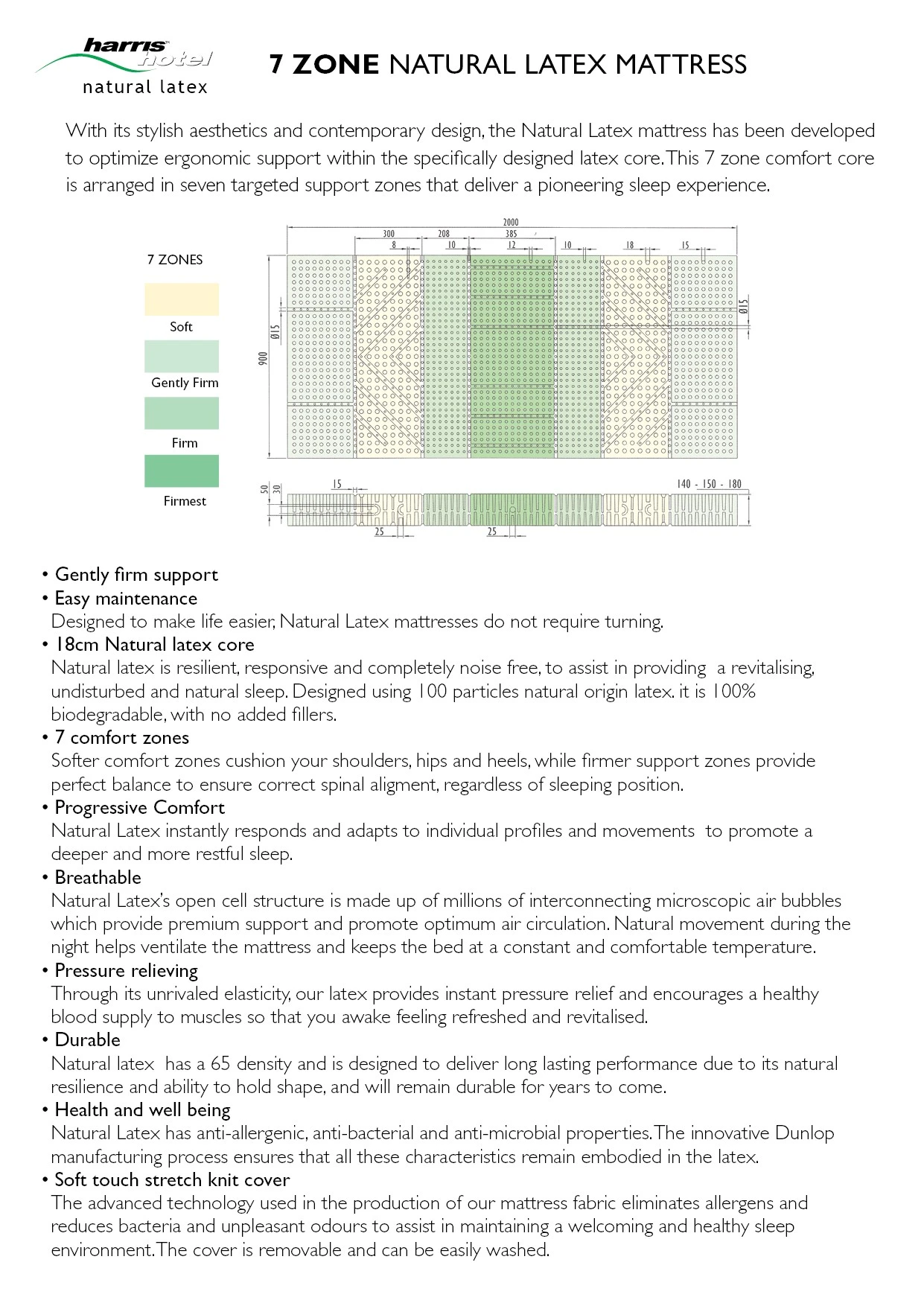
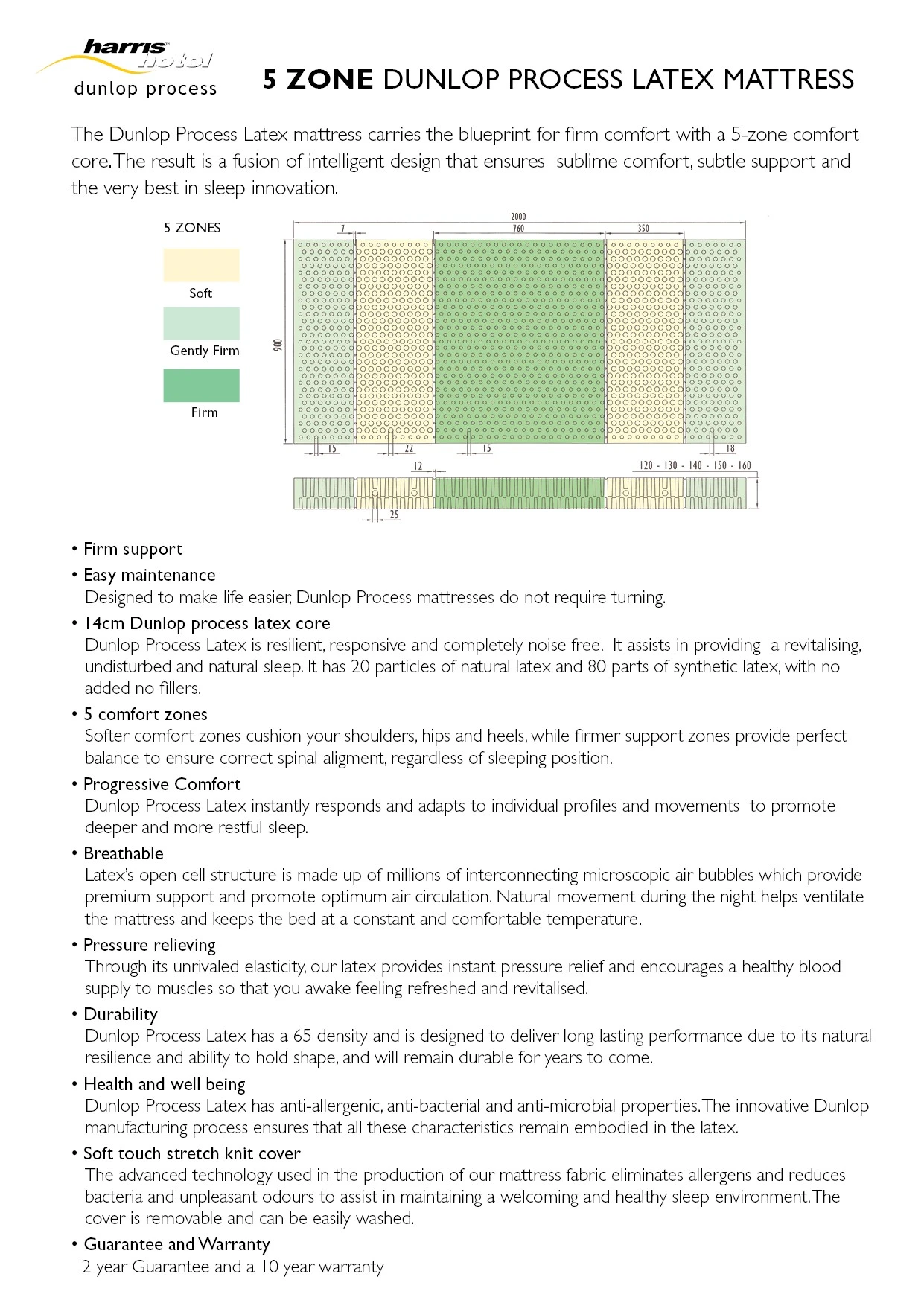
40mm of 45-density latex
This adds resilient cushioning and pressure distribution above the spring system, so the mattress can feel supportive without simply feeling hard.
So the Heavy Duty doesn’t really choose between “springs” and “foam”. It uses steel where structural strength matters, and responsive latex where cushioning is needed. That combination makes it well-suited to heavier sleepers who need strong support without feeling like they’ve been sentenced to sleep on scaffolding.

So, which is actually better?
If you’re comparing innerspring vs foam mattresses, and asking which is better for a heavier person, both can work – provided the mattress is properly designed for your weight tier.
Yet, when shopping for beds for heavy people, a reinforced innerspring mattress can offer a particularly strong solution because its structure can be built with heavier steel, tempering and additional reinforcement.
In the end, the key is not choosing “springs” for the sake of springs. It’s choosing a mattress with a support system genuinely engineered for you.